Variance's Influence on Extended Performance in Table Games Where Skill Plays a Role
Iris Otto · Jul 18, 2026
Variance's Influence on Extended Performance in Table Games Where Skill Plays a Role
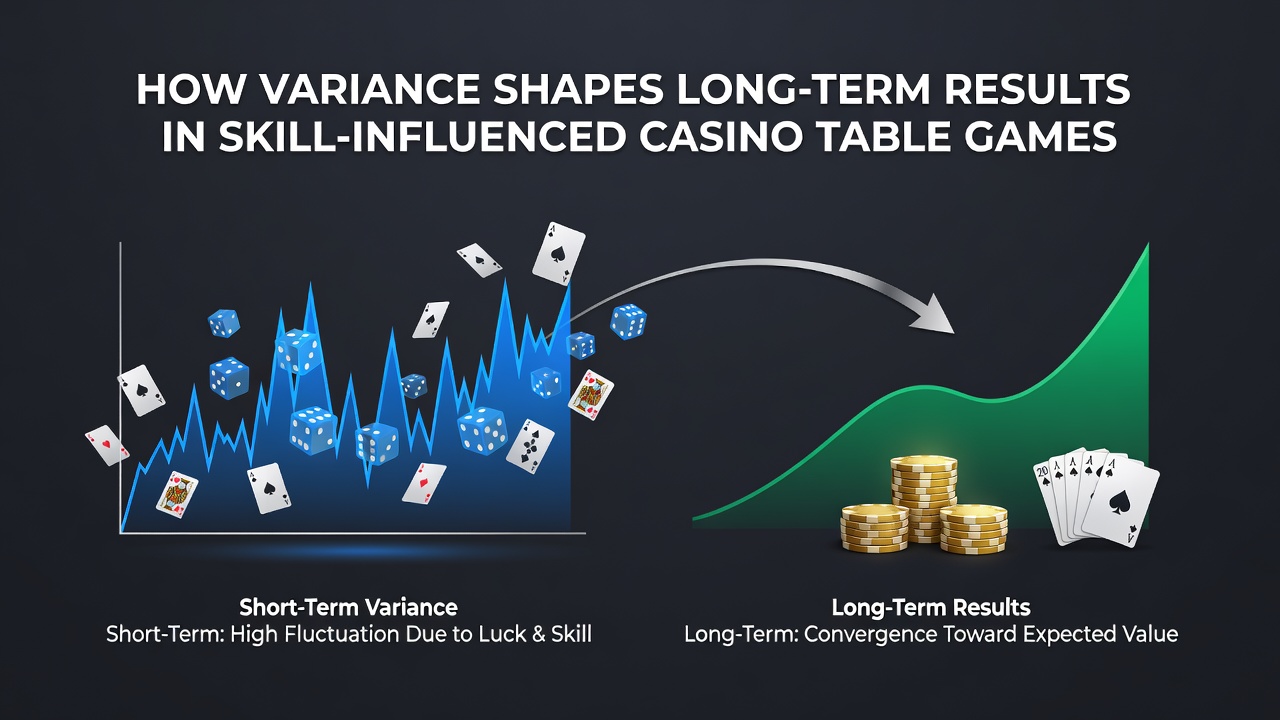
Table games that reward player decisions create distinct patterns where variance determines how results unfold over extended periods, and observers note that even consistent edges can face substantial swings before settling into expected patterns. Variance measures the dispersion of outcomes around an average result, which means short sessions often produce results far removed from long-run expectations while longer exposure allows those averages to assert themselves more clearly.
Defining Variance in Table Game Contexts
Casino table games incorporate both random elements from card shuffles or dice rolls and player choices that affect probabilities, so variance captures how widely individual session results can deviate from theoretical means, and researchers have documented these spreads across multiple game types. Blackjack players who follow basic strategy encounter lower variance than those making frequent deviations because correct decisions reduce the range of possible outcomes, whereas poker hands introduce higher variance through opponent actions and betting rounds that amplify swings in chip stacks.
Skill Elements Interact with Randomness
Games such as blackjack, video poker variants, and certain poker formats allow skilled participants to shift probabilities in their favor, yet the underlying random distribution still generates sequences of wins and losses that obscure those edges during brief periods, and studies from institutions like the University of Nevada Las Vegas have tracked how decision quality modulates variance levels across thousands of hands. Data indicates that players who maintain disciplined bankroll management navigate these fluctuations more effectively because larger reserves absorb temporary downturns without forcing strategy changes, while smaller reserves can lead to premature exits during negative streaks.
Short-Term Fluctuations Versus Extended Trends
Observers have recorded numerous instances where skilled players experience extended losing periods despite positive long-term expectations, and this occurs because variance creates clusters of unfavorable outcomes that resolve only after sufficient volume of play accumulates. In July 2026 regulatory reports from the Nevada Gaming Control Board highlighted how table game hold percentages stabilize over quarterly periods even as daily figures show wider deviations, which demonstrates the law of large numbers at work in real casino environments. Those who've examined session data across multiple venues find that variance decreases relative to the mean as the number of decisions increases, allowing skill-based advantages to become more apparent in cumulative results.
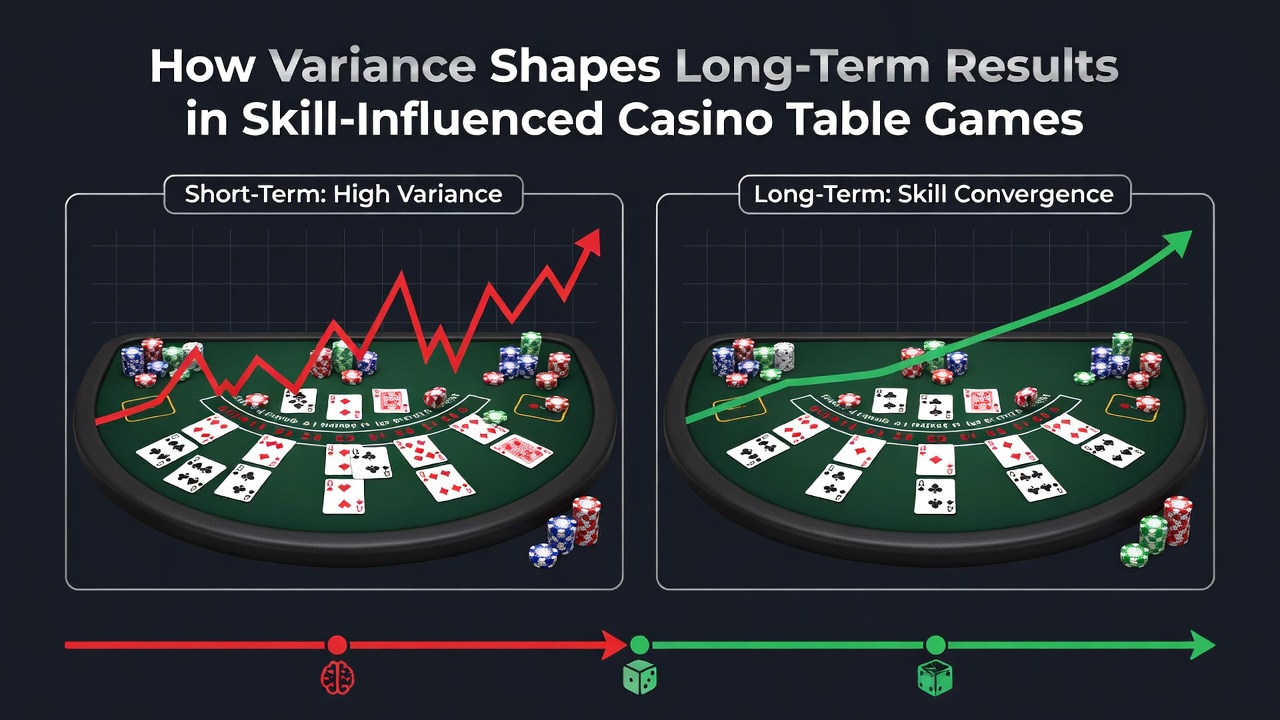
Blackjack sessions lasting a few hours can produce returns ranging from substantial losses to notable wins regardless of strategy adherence, but multi-week tracking reveals tighter clustering around the player's edge, and industry analyses confirm this pattern across thousands of recorded hands. Poker tournaments add another layer because elimination structures magnify variance through payout ladders, yet consistent performers still show positive returns when results are aggregated over hundreds of events.
Practical Illustrations from Common Games
Take one blackjack player who maintains basic strategy across 10,000 hands and encounters a sequence of dealer blackjacks that produces a temporary 15 percent drawdown before recovery begins, whereas another participant using the same approach avoids such clusters and ends closer to the expected return much sooner. Poker cash game participants often experience similar patterns where strong hands lose to draws over dozens of sessions, yet those who continue playing see their win rates stabilize as the sample size grows, according to aggregated data from multiple online platforms. Video poker enthusiasts who select optimal strategies for specific paytables face moderate variance that still requires thousands of hands before results align closely with theoretical returns, and figures from state gaming reports reveal how machine-level tracking confirms this convergence.
Statistical Patterns Observed Across Venues
Research indicates that variance coefficients vary by game rules and player involvement levels, with craps offering higher variance than blackjack due to multiple betting options that compound outcomes, while European roulette sits in between because of its fixed house edge without skill modifiers. Those analyzing large datasets note that games permitting double-downs and splits in blackjack increase variance slightly compared to stand-only formats, yet the skill component still reduces overall dispersion relative to random play, and external analyses from sources such as the Nevada Gaming Control Board support these distinctions through reported hold percentages. Bankroll requirements scale with variance levels because higher dispersion demands larger reserves to withstand drawdowns, which explains why professional players often cite specific multiples of average bet sizes when planning session lengths.
Conclusion
Long-term results in skill-influenced table games reflect the gradual dominance of player edges over variance-driven fluctuations, and evidence from regulatory bodies plus academic tracking shows that extended play volumes allow those edges to manifest consistently. Participants who understand these dynamics adjust their approaches to accommodate temporary deviations without altering core strategies, which leads to more stable outcomes across broader samples of decisions.