UK Gambling Surge Ahead: Survey Reveals 68% Plan to Bet More in 2026 Amid Harm Warnings

Fresh Survey Spotlights Shifting Habits
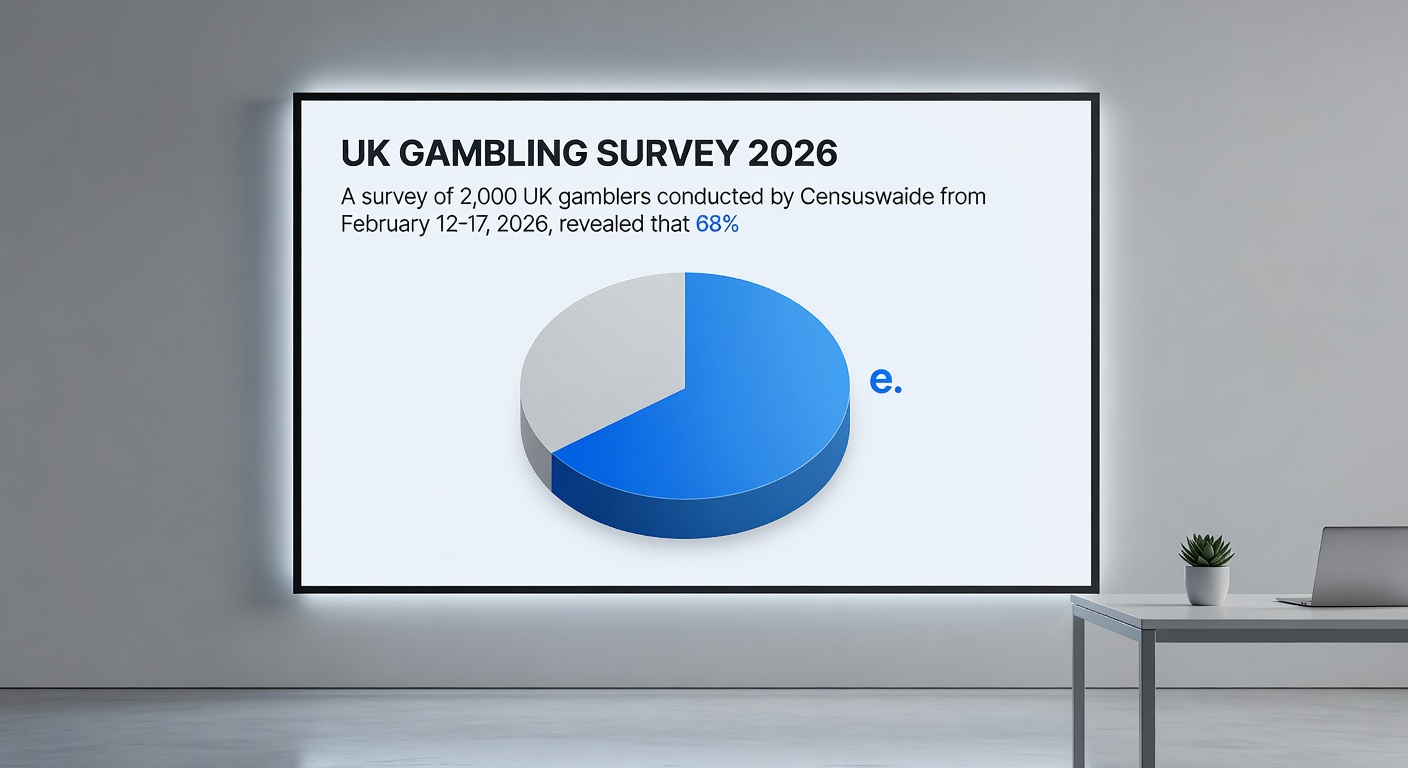
A recent poll of 2,000 UK gamblers, carried out by Censuswide between February 12 and 17, 2026, uncovers notable trends shaping the gambling landscape this year; figures show that 68% of respondents anticipate placing more bets, driven largely by a packed calendar of high-profile sporting events like the FIFA Men’s World Cup, the Champions League knockout stages, and Royal Ascot, while early 2026 data already points to increased activity across the board.
Transaction volumes climbed 7% in January 2026 compared to the previous year, and spending rose by 9%, according to the study reported in March 2026, which flags potential risks as enthusiasm builds; researchers note that such upticks often coincide with major tournaments, where casual punters dive in alongside regulars, boosting overall market volumes but also amplifying exposure to behavioral pitfalls.
What's interesting here is how these expectations align with real-world spikes, since January's numbers serve as a harbinger for what's to come; experts who've tracked similar cycles, like those around past World Cups, observe that participation swells not just from sports fans but from a broader cross-section of bettors chasing the thrill of live action.
Early 2026 Data Paints a Clear Picture
January 2026 kicked off with momentum, as gambling operators logged those 7% higher transaction counts and 9% spending increases over January 2025, reflecting a market warming up for the year's spectacles; the Censuswide survey, capturing voices from diverse demographics, ties this directly to anticipation around football's global showdowns and horse racing's premier meets, where odds fluctuate wildly and draw in crowds betting on everything from match outcomes to individual player performances.
And while the numbers celebrate growth for the industry, they also spotlight affordability strains, particularly as everyday costs linger in the background; data indicates that such rises aren't uniform, with online platforms seeing the sharpest jumps since mobile apps make wagering seamless during commutes or halftime breaks.
Take one segment of the survey respondents, those citing the Champions League as a key motivator; they report planning bigger outlays on accumulator bets, which bundle multiple games for higher payouts but carry steeper risks, a pattern researchers link to past seasons where semi-final clashes spiked national engagement.
Behavioral Red Flags Emerge
Amid the optimism, harm indicators stand out starkly, with 10% of gamblers admitting to chasing losses—a classic sign of spiraling play where punters double down to recoup deficits, often leading to deeper holes; meanwhile, 17% confess betting as a way to cover household bills, blending desperation with the lure of quick wins in an economic climate where pressures mount steadily.
These stats, drawn from the same Censuswide poll, reveal vulnerabilities that experts have long associated with event-driven booms, since the adrenaline of World Cup fever or Ascot glamour can blur lines between entertainment and necessity; observers note that chasing behaviors typically peak post-major losses, like a shock group-stage exit, prompting frantic recovery attempts across bookies.
But here's the thing: such admissions aren't isolated, as they mirror broader patterns where 1 in 10 heavy gamblers averages £745 monthly spends, per Nationwide Building Society insights urging vigilance; those figures underscore why affordability checks, now routine at many operators, gain urgency ahead of 2026's frenzy.
Support Services Face Unprecedented Demand
GamCare referrals skyrocketed 48% in January 2026 alone, signaling a rush for help as spending habits intensify; this surge, tied to the same early-year upticks, shows people reaching out amid mounting concerns, whether from lost wages on ill-fated World Cup qualifiers or bills piling up faster than expected returns.
Turns out, the timing aligns perfectly with pre-event hype, where promotional offers flood inboxes and social feeds, tempting borderline cases deeper into play; case studies from prior years, like the 2022 World Cup aftermath, reveal similar referral spikes, with helplines logging calls from punters who bet family budgets on penalty shootouts only to regret it later.
Now, as March 2026 brings fresh analysis of these trends, support networks brace for more, since Royal Ascot's June dates and Champions League finals promise sustained pressure; GamCare's role expands, offering chatlines and self-exclusion tools that have proven vital for those spotting the signs early.
Major Events Fueling the Forecast
The FIFA Men’s World Cup headlines the draw, captivating millions with its month-long drama across host nations, where group stages alone spawn endless markets from goalscorers to corner counts; paired with the Champions League's climactic rounds, which often deliver underdog tales and extra-time thrillers, these fixtures explain much of the 68% uptick in planned betting.
Royal Ascot adds a traditional flair, its five-day spectacle blending fashion with furlong finishes, attracting high-rollers and novices alike to each-way bets and exotic trifectas; surveys like Censuswide's capture this mix, showing how diverse events pull in varied crowds, from pub leagues to trackside enclosures.
Yet the reality is that such calendars amplify everything, volumes and vulnerabilities alike; data from January previews this, with transactions humming as apps preload World Cup odds weeks in advance.
People who've studied these patterns often point to crossover effects, where a punter starts with football futures then drifts to Ascot ante-posts, stacking wagers in ways that blur daily limits; it's noteworthy that 17% betting for bills highlights the thin line between fun and finance in these scenarios.
Affordability at the Forefront
Nationwide Building Society's spotlight on average monthly spends underscores market-wide worries, as one in ten gamblers hits £745 figures that strain checkbooks, especially with events stacking up; their calls for spotting signs—missed payments, secretive play, mood swings—echo the survey's harm metrics, pushing operators toward frictionless but firm safeguards like mandatory breaks or deposit caps.
So while 68% gear up enthusiastically, the 10% chasing losses and referral boom remind stakeholders that growth demands balance; experts observe that proactive measures, rolled out post-2025 reviews, now test their mettle against 2026's onslaught.
One researcher tracking longitudinal data notes how January's 9% spend rise correlates with pre-event scouting, where free bets hook users into sustained play; that's where the rubber meets the road for regulators eyeing sustainable habits.
Conclusion
The Censuswide survey of February 2026 crystallizes a pivotal moment for UK gambling, where 68% betting more forecasts vibrancy fueled by World Cup glory, Champions League edges, and Ascot elegance, yet January's 7% transaction surge, 9% spend hike, 10% loss-chasers, 17% bill-coverers, and 48% GamCare referral leap paint a cautionary backdrop; as March 2026 reports digest these shifts, the path forward hinges on blending excitement with safeguards, ensuring the sports calendar thrills without the toll.
Figures like Nationwide's £745 averages reinforce that affordability isn't abstract, but actionable, with tools and awareness poised to temper the tide; those navigating this landscape find the writing on the wall clear—participate smartly, watch the signs, and lean on support when needed.