Taming Variance Swings: Essential Insights for Poker, Craps, and Sports Betting Players
Yves Lange · Apr 20, 2026
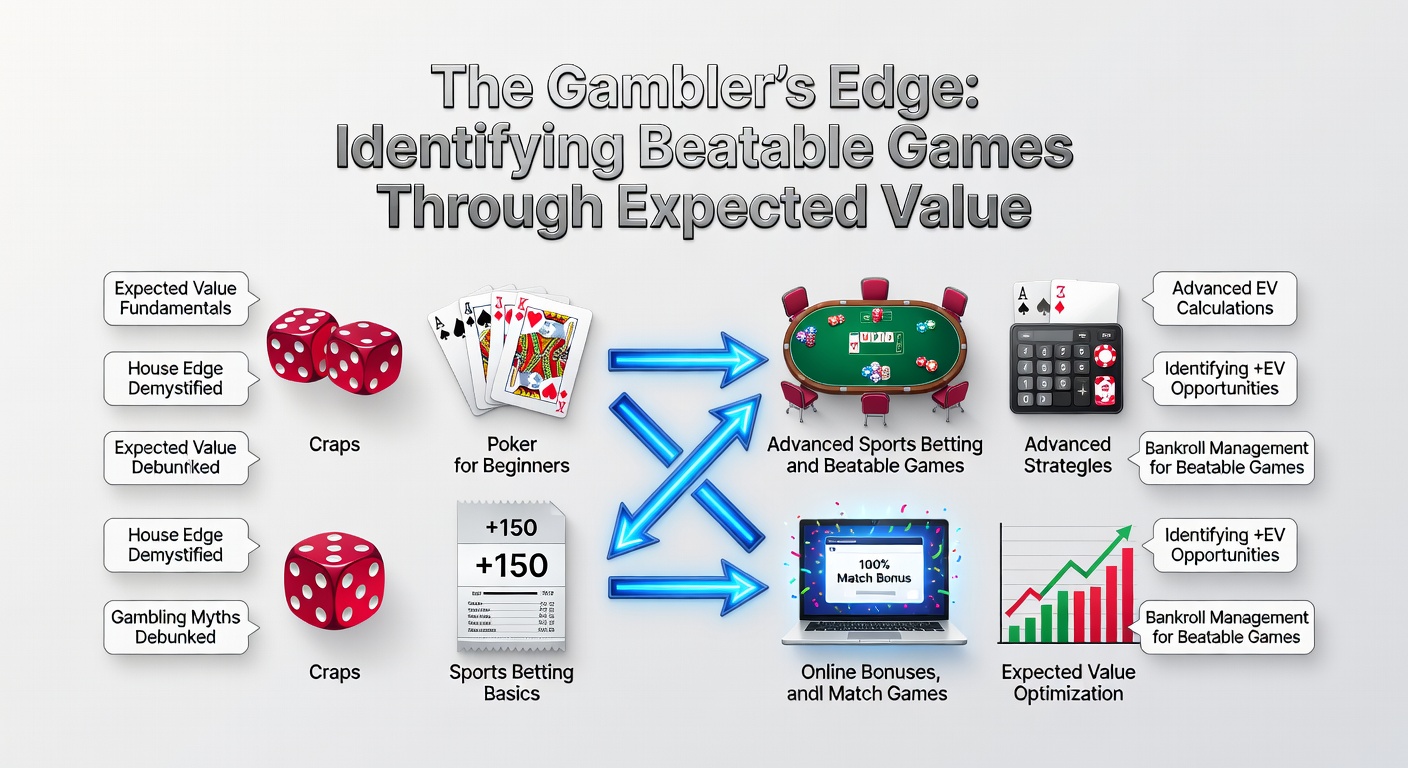
Taming Variance Swings: Essential Insights for Poker, Craps, and Sports Betting Players
What Variance Means in the Gambling World
Variance captures the ups and downs players face in games of chance and skill alike, where short-term results often deviate sharply from long-term expectations even when edges exist; researchers define it as the statistical measure of outcome spread around the mean, and those who've analyzed thousands of sessions note how it turns steady plays into wild rides, especially across poker tables, craps layouts, and sportsbooks. Data from casino tracking systems reveals that variance amplifies in high-volatility setups, like chasing flush draws in Texas Hold'em or riding hot streaks at the pass line, while beatable games with lower house edges—think odds bets in craps—still deliver punishing swings because random events dominate session results. Experts observing player logs find that beginners overlook this, chasing myths of consistent wins, but the reality hits hard when a 55% edge in sports betting leads to losing streaks; that's where understanding variance becomes key, separating sustainable strategies from reckless punts.
And here's the thing: variance isn't just numbers on a spreadsheet—it's the reason one craps shooter banks during a long roll while another busts out fast, or why a solid poker player tilts after bad beats; studies from the UNLV International Gaming Institute quantify it through simulations showing how standard deviation scales with bet sizes and game rules, helping sharps adjust without ditching their edge.
Variance Hits Hardest in Poker for Newcomers
Poker beginners dive into no-limit Hold'em and quickly learn variance through brutal coolers and suck-outs, where pot odds look golden yet equity realizations swing wildly from hand to hand; observers track tournament data indicating that even top pros endure 20-buy-in downswings, and those starting out often fold under pressure because they haven't banked enough hands—typically 100,000 or more—to smooth the ride. Take one study where researchers simulated millions of Texas Hold'em deals, revealing that short-stack strategies cut variance by limiting exposure, while deep-stack play explodes it since implied odds chase bigger pots amid river disasters; people who've crunched the numbers advise newcomers to grasp this early, pairing basic position plays with session reviews to spot if bad luck or leaks drive the bleed.
But turns out, online poker rooms add fuel with faster tables and bonus hunts, where rakeback softens variance slightly, yet multi-tabling ramps it up because correlated losses stack quicker; data from high-volume grinders shows variance doubling in turbo formats, prompting shifts to cash games for steadier grinds.
Key Poker Variance Reducers
- Stick to tight-aggressive preflop ranges, cutting speculative hands that balloon swings.
- Track results over 20,000 hands minimum before tweaking; fewer samples mislead.
- Size bets conservatively—1-2% of bankroll per session keeps ruin risk low.
Craps Rolls and the Illusion of Control
In craps, variance manifests through dice streaks that defy probabilities, with the come-out roll favoring pass lines at 251-to-244 odds yet point phases stretching variance via endless sevens-out busts or monster rolls; casino logs from Las Vegas floors indicate average sessions last 8.2 shooters, but variance spikes resolution times to hours for some, turning low-house-edge odds bets—zero edge on points 4/10, minimal on 5/9—into volatile multipliers when paired wrong. Players who've dissected million-roll sims find that free odds juice payouts without hiking house advantage, yet proposition bets explode variance uselessly, draining stacks faster than a cold table; that's notable because beatable elements like these draw crowds, but unchecked aggression during hot rolls leads to overbetting disasters.
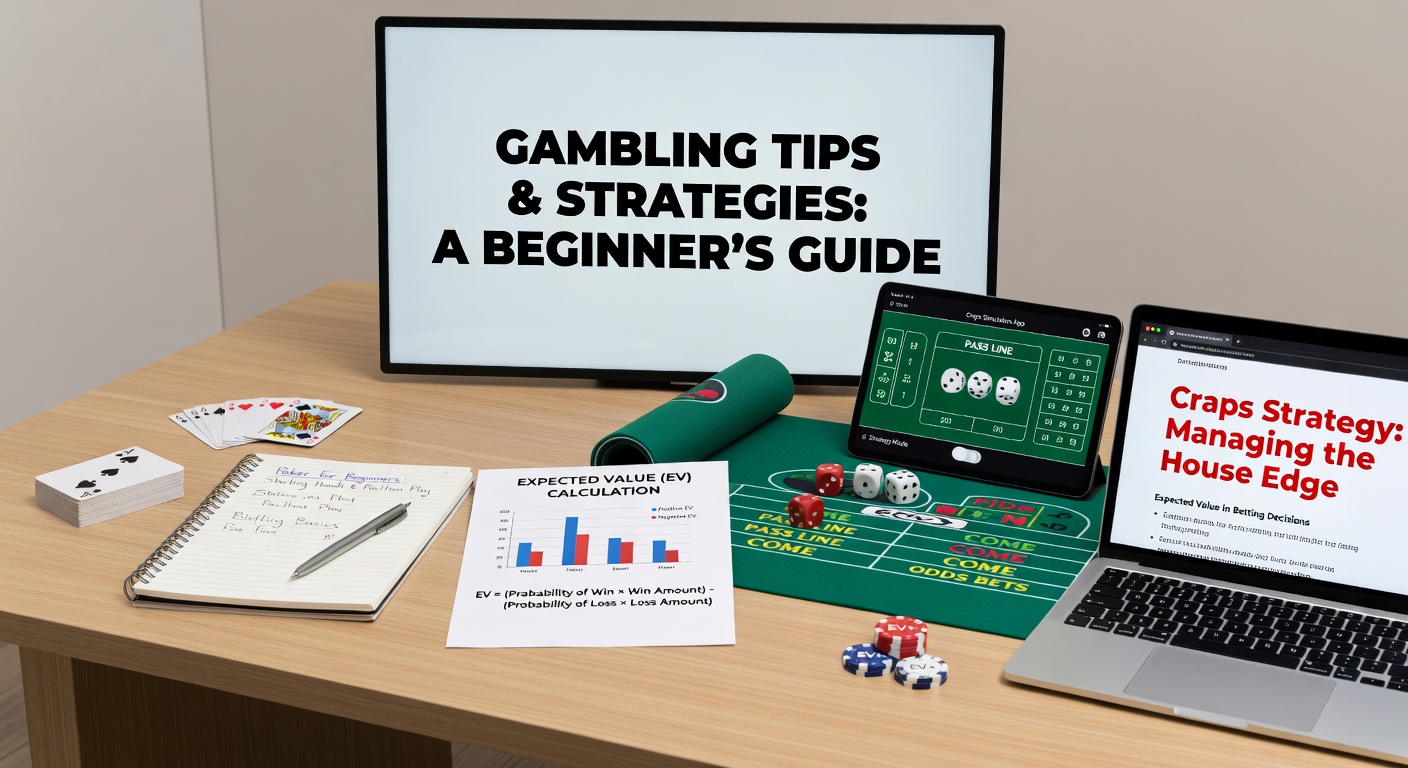
What's interesting here ties to April 2026 trends: as U.S. casino traffic rebounds post-regulation tweaks, Nevada Gaming Control Board reports show craps handle up 12% year-over-year, with players leaning harder into odds plays amid promo surges, yet variance claims more casuals who ignore bankroll splits like 1% per roll max.
Sports Betting: From Basics to Advanced Swings
Sports betting basics introduce variance through line fluctuations and upset shocks, where moneylines at -110 imply 52.4% break-even yet vig and public bias create value spots; beginners spot these in NFL spreads, but advanced bettors chase middles—betting both sides of line moves for locked profits minus juice—while variance lurks in correlated parlays that crater on one leg. Data from major sportsbooks tracks bettors enduring 10-unit downswings on +EV plays around 60% win rates, and those who've modeled seasons find baseball props offer lower variance than football totals due to granular stats; online bonuses sweeten this, matching deposits to pad against swings, but wagering requirements amplify effective variance if rushed.
Yet variance peaks in futures markets, like NBA champs where early lines swing on injuries; researchers simulating 1,000 seasons reveal standard deviations hitting 25% of bankroll, urging diversification across uncorrelated events—mixing tennis moneylines with soccer overs, say—to flatten the curve.
Beatable Angles Amid Variance
- Line shop across books for half-point edges that compound over volume.
- Hunt player props where inefficiencies persist, like pitcher strikeouts versus public favorites.
- Layer bonuses strategically; clear them on low-variance bets first to build buffers.
Expected Value Meets Variance: The Core Equation
Expected value (EV) calculates long-run profit per bet—positive EV drives edges in beatable games—yet variance dictates the path there, with formulas like EV = (Win% * Payout) - (Loss% * Stake) pairing with standard deviation sqrt(pq) for full risk profiles; experts applying this across games note poker draws shine when implied odds cover fold equity variance, craps odds stack EV without extra risk, and sports middles guarantee tiny positives barring pushes. People grinding these find simulations essential—tools spitting 10,000-trial runs show a +2% EV poker game still risks 30-buy-in drops 5% of the time; that's where myths crumble, like "hot hands" in craps or "due" teams in betting, since variance masks true probabilities short-term.
So, strategies converge: size bets via fractions of Kelly—half-Kelly halves variance ruin risk—or flat units for basics, ensuring bankrolls weather 20-30x standard deviation storms common in mixed play.
Busting Myths That Fuel Variance Ignorance
Gambling myths persist, claiming systems beat house edges or streaks predict rolls, but variance explains why they fail spectacularly; one observer debunked the "gambler's fallacy" in craps data, showing post-long-roll sevens-out rates match expectations at 1-in-6, while sports "momentum" bets lose to regression. Online bonuses tempt myth-chasers with "free money," yet rollover variance turns them into grinders' edges only when EV-positive plays clear them methodically.
Turns out, those ignoring variance chase losses, but sharps log everything, adjusting for game-specific swings—poker 15-20bb/100 variance, craps resolution variance per shooter around 1.4x buy-in std dev.
Conclusion: Building Resilience Against the Swings
Mastering variance equips players across poker, craps, and sports betting to endure while exploiting beatables, blending EV hunts with disciplined sizing for sessions that survive cold streaks and capitalize on heaters; data underscores that those logging 50,000+ trials (hands, rolls, bets) see realities emerge, turning variance from foe to navigable force. As April 2026 brings packed MLB slates and Euro soccer pushes amid rising mobile wagering, opportunities abound for informed plays; the ball's in their court now—track, adapt, and let math handle the rest.