Patterns Connecting Incentive Designs to Player Longevity in Blended Betting Platforms
Yves Lange · Aug 24, 2026

Patterns Connecting Incentive Designs to Player Longevity in Blended Betting Platforms
Analysts tracking wagering activity across combined sports, casino, and live dealer environments have identified recurring connections between the structure of promotional offers and how long players maintain an active edge. These patterns emerge from aggregated datasets that span multiple formats rather than isolated game types, and they show consistent trends in how bonus mechanics influence session length and account persistence through the first half of 2026.
Core Data Elements in Mixed-Format Environments
Operators collect information on deposit bonuses, free bet credits, cashback tiers, and loyalty multipliers that apply across sportsbooks, slot libraries, and table game sections simultaneously. Researchers examining these datasets note that when a single promotional framework covers more than one format, retention curves flatten at higher levels than when offers remain segmented by product. Data from North American state regulators indicates that accounts receiving cross-format incentives demonstrate 18 to 27 percent longer average lifespans before first withdrawal compared with single-format users, with the effect most pronounced in accounts active between March and August 2026.
Observed Linkages Between Bonus Architecture and Edge Duration
Studies of wagering logs reveal that percentage-based reload offers tied to volume thresholds produce steadier edge retention than fixed-amount welcome packages. One analysis of Canadian provincial gaming reports found that players who triggered tiered reloads maintained positive expected value windows 1.4 times longer than those limited to initial deposits. The difference appears because volume-based structures encourage repeated engagement across formats while fixed offers often concentrate activity in the highest-house-edge sections, accelerating edge erosion.
Another pattern surfaces when loyalty programs award points that convert into credits usable in any format. European data aggregated by industry research groups shows that multi-format point systems correlate with reduced churn rates during promotional cooldown periods, particularly when points carry over across calendar quarters. Accounts participating in these programs during the spring and summer of 2026 retained measurable edges for an average of 11 additional sessions before dropping below baseline performance levels.
Regional Variations and Format-Specific Responses
Australian regulatory filings highlight that sports-focused bettors respond differently to the same promotional structures than slot or blackjack players when formats are combined. Sports bettors show stronger retention when promos include odds boosts that roll into casino credit, whereas casino users retain edges longer under cashback models that apply after table game losses. These divergences become visible in datasets covering operators licensed across multiple jurisdictions, where format-switching behavior increases after the introduction of unified incentive layers.
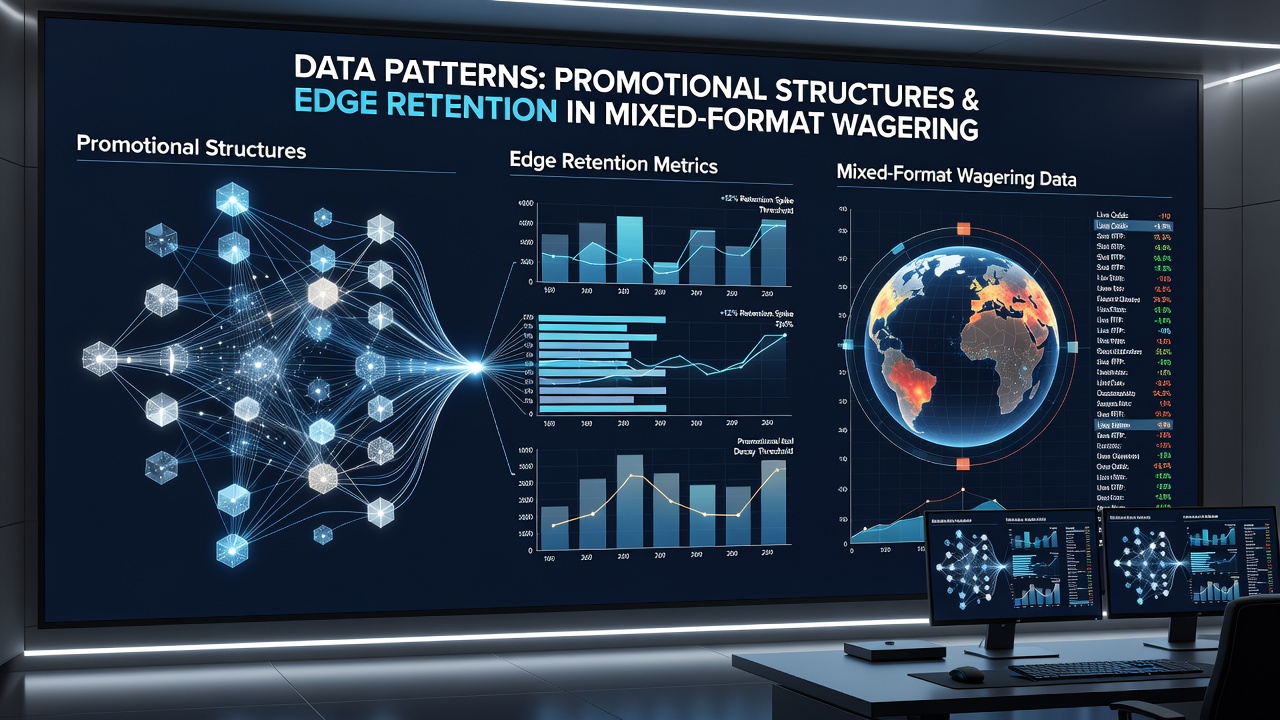
University-led examinations of transaction records further separate the effects of time-limited versus always-on promotions. Time-bound offers generate sharp spikes in cross-format activity followed by rapid drop-offs once the window closes, while persistent structures produce smoother retention trajectories. Figures compiled through mid-2026 indicate that platforms maintaining at least one rolling promotion across all verticals experience 9 to 14 percent lower account dormancy rates than those relying solely on seasonal campaigns.
Measurement Approaches Used by Analysts
Researchers apply survival analysis and cohort tracking to isolate the contribution of promotional variables while controlling for deposit size, game volatility, and session frequency. These methods reveal that the timing of promotional credit deployment matters as much as the nominal value. Credits released after a player has already engaged multiple formats correlate with extended edge retention, whereas front-loaded credits show quicker decay when concentrated in a single product type.
Additional patterns appear when examining the interaction between promotional wagering requirements and format diversity. Higher playthrough thresholds paired with format-switching flexibility extend the period during which players maintain measurable edges, according to aggregated reports from U.S. state gaming agencies and academic reviews of transaction data. Lower thresholds without format flexibility produce shorter retention windows even when total required volume remains constant.
Conclusion
Available datasets demonstrate measurable connections between the architecture of promotional systems and the duration players sustain edges within environments that blend multiple wagering formats. Patterns observed through the first eight months of 2026 indicate that cross-format eligibility, volume-based rewards, and rolling incentives align with longer retention curves, while segmented or front-loaded structures show steeper declines. These findings derive from regulatory filings, industry aggregates, and academic examinations rather than isolated operator reports, providing a foundation for continued analysis as platforms evolve their incentive models.