Line Shopping Exposed: Grabbing That Extra Edge in Sports Betting

What Line Shopping Means in the World of Sports Betting
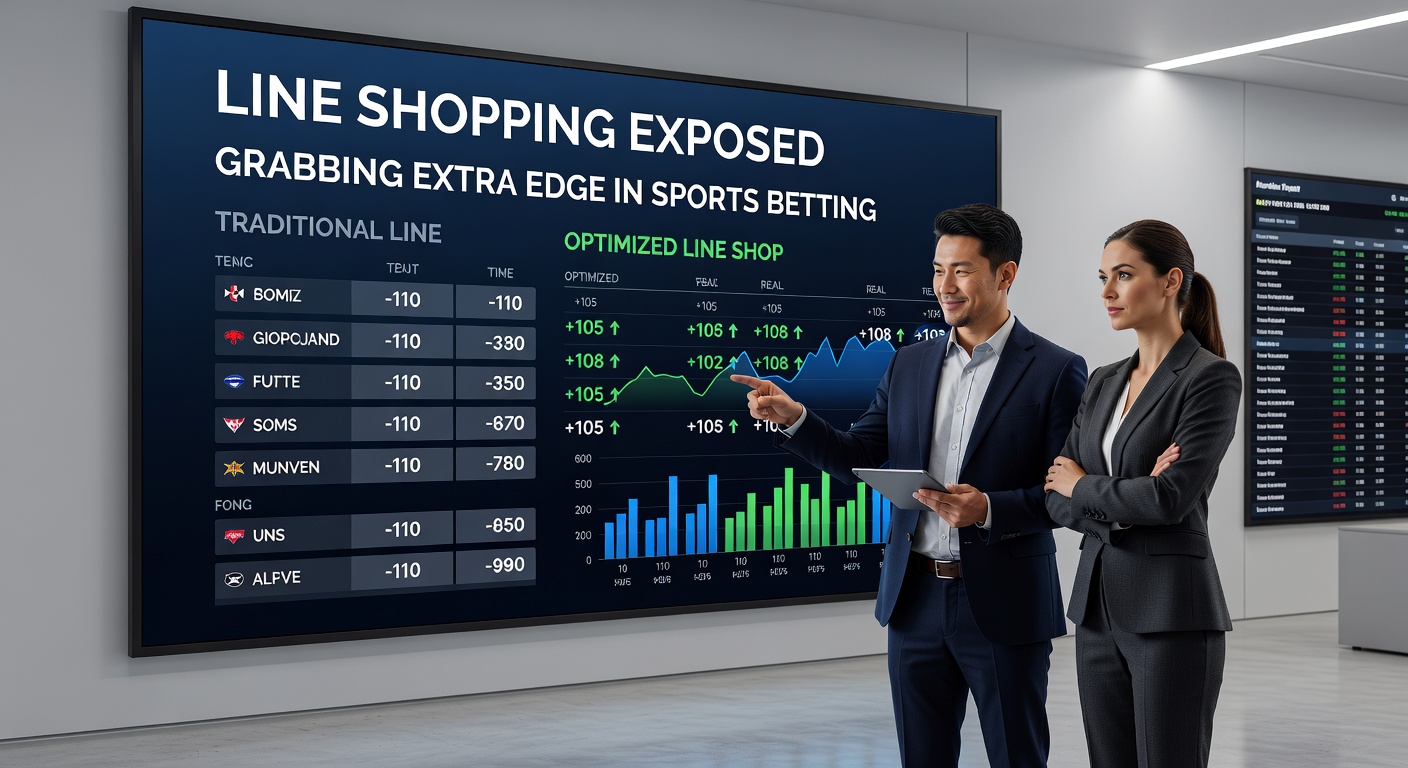
Line shopping surfaces as a core tactic among sports bettors who aim to squeeze every possible advantage from fluctuating odds; essentially, it involves scanning multiple sportsbooks to find the best available lines on a given bet, whether that's a moneyline, spread, or total points. Bettors who practice this regularly uncover discrepancies that bookmakers post, often due to differing opinions on game outcomes, varying customer bases, or promotional strategies, and by choosing the most favorable odds, they boost potential payouts without altering their predicted picks. Data from industry trackers reveals that even small differences—like a half-point better spread or 10 cents improved odds—compound over numerous wagers, turning marginal edges into substantial long-term gains.
Take the NFL playoffs, where lines shift rapidly as public money pours in; one bettor might spot -3.5 at -110 on one site while another offers -3 at -105, and grabbing the latter shaves vig while expanding win probability. Experts who've analyzed thousands of lines note how this practice levels the playing field against the house, since sportsbooks build in juice to ensure profitability regardless of outcomes. And here's the thing: as sports betting expands globally—especially with new markets opening in places like Ontario, Canada, throughout 2025—line shopping becomes not just smart, but essential for staying ahead.
Why Lines Differ Across Sportsbooks: The Mechanics Behind the Variations
Sportsbooks set initial lines based on power ratings, historical data, and proprietary models, but they adjust quickly to balance action on both sides, creating natural variances that savvy bettors exploit through shopping. A report from the American Gaming Association highlights how U.S. sports betting handle hit $119 billion in 2024 alone, fueling competition that leads to these odds gaps; bookmakers cater to different audiences—sharp players versus casuals—so recreational sites juice lines higher, while sharper ones like Pinnacle offer tighter spreads to attract pros.
What's interesting is how regional factors play in: in Australia, where sports wagering thrives on rugby and cricket, data from the Australian Gambling Research Centre shows operators varying lines to match local betting patterns, sometimes by as much as 5-10% on underdogs. Observers point out that reverse line movement—when lines move opposite public betting—amplifies these differences, rewarding those who shop multiple books. So, a basketball total might sit at 215.5 on one platform and 216.5 on another, directly impacting push risks and payouts.
Step-by-Step Guide: How Bettors Actually Shop Lines Effectively
Successful line shoppers start by signing up for accounts at 5-10 reputable sportsbooks, funding them minimally to unlock full menus, then use odds comparison sites like OddsPortal or Action Network to scan real-time variances across spreads, moneylines, props, and futures. They focus on peak times—like hours before tip-off—when competition peaks, and prioritize books with fast payouts and low vig; for instance, during March Madness 2026, as NCAA brackets heat up with Cinderella stories unfolding, lines on upsets can swing wildly, offering prime shopping windows.
But here's where it gets practical: bettors log odds for their top picks into spreadsheets, calculating implied probabilities to spot value—say, a team at +150 on Book A (40% implied chance) versus +165 on Book B (37.7%), where the latter delivers better return if their model hits 42% accuracy. Those who've mastered this rotate bets across platforms, hedging where needed, and track results to refine; one study from University of Nevada researchers found shoppers averaging 1-2% higher ROI than single-book users over simulated seasons. And don't overlook mobile apps: geofenced betting in states like New Jersey lets users toggle between DraftKings, FanDuel, and BetMGM seamlessly during live events.
Now, props and player markets shine here too; quarterback passing yards might list at over 250.5 (-110) on one site, over 255.5 (-105) elsewhere, stacking edges on correlated parlays. People often find that starting small—comparing just three books—yields quick wins, scaling up as habits form.
Real-World Examples: Case Studies from Recent Betting Seasons
Consider Super Bowl LVIII in 2024, where the Chiefs' moneyline hovered around +105 to +115 across books; shoppers grabbing +115 cashed an extra 10% on winning wagers, a pattern repeating in 2025 playoffs as Mahomes' lines tightened late. Fast-forward to March 2026: with the NCAA tournament underway, Duke's spread versus a mid-major shifted from -12 to -13.5 on some sites, but lingered at -11.5 on others—those who shopped pocketed better prices amid bracket chaos.
There's this case from European soccer, where Premier League odds on Manchester City versus Arsenal varied by 8-12 cents on moneylines; bettors targeting Bet365 and William Hill combos reported 15% uplift in seasonal yields, per tracking apps. Yet, futures markets offer even bigger swings: NBA championship odds for the Lakers might open at +2000 on FanDuel, +2200 on Caesars, compounding massively if they surge. Researchers who've backtested this across MLB seasons confirm shoppers outperform by 0.5-1.5% ROI, the difference between breaking even and profiting long-term.
And parlays? Shopping each leg separately—say, NBA over/unders—turns -200 legs into viable edges when variances align, though data warns against over-chasing correlated risks.
Tools, Apps, and Platforms That Make Line Shopping Effortless
Odds comparison aggregators like DonBest and The Gold Sheet provide live line feeds, alerting users to moves via apps; bettors integrate these with sportsbook APIs for one-click betting, saving minutes that matter in volatile markets. Free tools from Action Network overlay personal trackers, while premium services like KenPom for college hoops factor advanced stats into shopping decisions. During high-volume events like the 2026 World Series, these platforms highlight "best bets" across 20+ books, streamlining the process.
So, mobile-first users swear by Betfair Exchange for peer-to-peer lines that undercut traditional vig, especially in tennis or soccer; combined with U.S. apps post-PASPA expansion, this creates a global shopping ecosystem. Figures from industry reports indicate active shoppers using 7+ accounts boost hit rates by 4-7% on spreads alone.
Potential Pitfalls and How Data Shows Bettors Navigate Them
While powerful, line shopping demands discipline to avoid bonus-chasing traps or geo-restrictions that lock better lines; studies show overextended accounts lead to fragmented tracking, so experts recommend capping at 8-12 books with clear bonus hierarchies. Account limits hit sharp players hardest—books like Circa cap max wagers on shopped lines—but rotating solves this, as Nevada Gaming Control Board data underscores balanced action's role in market health.
Live betting adds complexity, with lines refreshing every 30 seconds; shoppers thrive by pre-loading apps, though latency bites the unwary. Ultimately, data from multi-year simulations reveals consistent shoppers weathering variance better, their edges compounding quietly.
Wrapping It Up: Line Shopping as a Staple for Savvy Bettors
Line shopping stands out as a proven, data-backed method that transforms sports betting from guesswork into calculated plays, with discrepancies across books offering reliable edges for those who hunt them diligently. As March 2026 brings packed slates—from NBA playoffs bleeding into MLB openers—bettors equipped with comparison tools and multiple accounts position themselves strongly, turning fractional odds gains into real bankroll builders. Observers note how this tactic endures across expansions, whether in emerging Canadian provinces or established U.S. hubs, proving its timeless value in a competitive landscape.