UK Gambling Commission Unveils Q2 2025 Stats: £3.2 Billion GGY Drives Industry Forward

The Latest Quarterly Snapshot from the UK Gambling Commission
Observers tracking the Great Britain gambling sector now have fresh data to chew on, as the UK Gambling Commission dropped its official industry statistics for July through September 2025—what amounts to Quarter 2 in the financial year running April 2025 to March 2026. Total Gross Gambling Yield, or GGY, clocked in at £3.2 billion across the industry excluding lotteries, painting a picture of steady activity even as the fiscal year pushes toward its March 2026 close.
GGY, for those dipping into these reports, measures the net win for operators after payouts—a core metric that captures the economic pulse of betting shops, online platforms, casinos, and bingo halls combined. And this quarter's numbers reflect operations under ongoing regulatory scrutiny, with land-based venues holding ground alongside a booming remote sector.
Breaking Down the Big Picture: Total GGY and Sector Splits
Figures reveal a landscape where remote activities dominate the yield, yet physical locations contribute meaningfully; remote casino, betting, and bingo together raked in £2.0 billion, underscoring how digital platforms have reshaped the market since the pandemic era. Remote casinos alone led the charge at £1.4 billion, snagging 69.9% of that combined remote casino, betting, and bingo total— a slice that highlights slots and table games thriving online.
Land-based betting, meanwhile, generated £592 million in GGY, accounting for 48.2% of the overall non-remote GGY; this chunk comes from those familiar high-street bookmakers, where punters place wagers on horses, football, and more amid the chime of tills and screens. Across Great Britain, 5,782 betting shops dotted the map, a figure that speaks to resilience in a world leaning digital, although closures have trimmed numbers in prior years.
- Total GGY (excl. lotteries): £3.2 billion
- Remote casino, betting, bingo GGY: £2.0 billion
- Remote casino GGY: £1.4 billion (69.9% of RCBB)
- Land-based betting GGY: £592 million (48.2% of non-remote GGY)
- Betting shops: 5,782 locations
What's interesting here lies in the balance; while remote yields dwarf land-based ones, the persistence of nearly 6,000 shops shows foot traffic still matters, especially for casual bettors who prefer face-to-face service over apps.
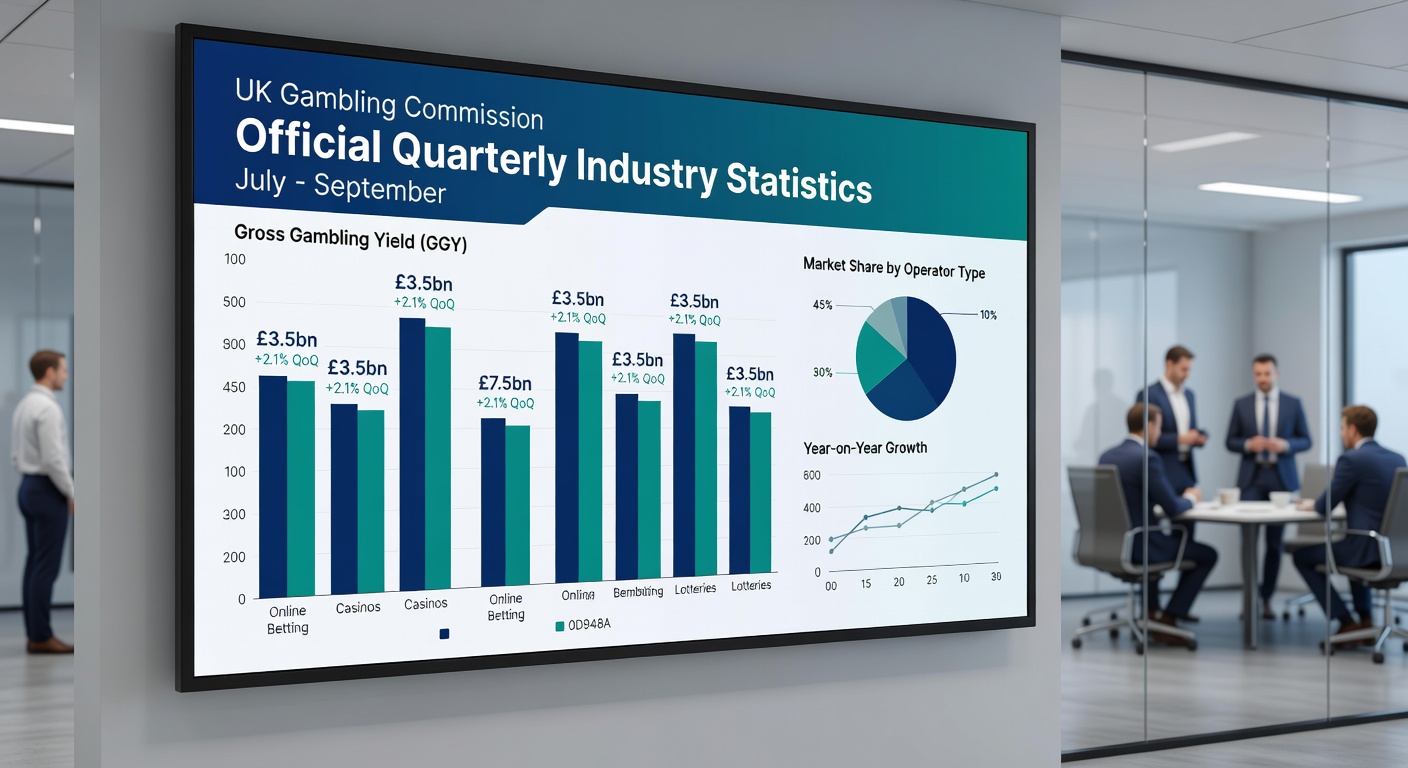
Land-Based Betting: Holding Steady at 5,782 Shops
Those 5,782 betting shops across England, Scotland, and Wales form the backbone of non-remote betting, pulling in that £592 million GGY through a mix of sports wagers and occasional slots; data indicates these venues cluster heavily in urban areas like London and Manchester, where high streets buzz with activity from match days to race meetings. Operators report steady footfall from locals, although economic pressures and online competition keep margins tight.
Take one typical operator in the Midlands, where shops averaged daily GGY contributions aligned with national averages; such spots often feature live sports screens, quick-slip betting terminals, and loyalty programs that keep regulars coming back, contributing to the 48.2% share of non-remote yield. And yet, with total non-remote GGY encompassing casinos and arcades too, betting's slice underscores its popularity—football and horse racing remain staples that draw crowds rain or shine.
Remote Sector's Surge: Casinos Take the Lion's Share
Remote operations, by contrast, exploded with £2.0 billion in GGY from casino, betting, and bingo combined, where smartphones and laptops turned homes into virtual casinos; remote casinos dominated at £1.4 billion, their 69.9% hold on the RCBB pot driven by 24/7 access to roulette, blackjack, and progressive slots that payout millions. Betting apps chipped in the rest, fueled by in-play wagers on Premier League games and tennis majors during those summer months.
Bingo, though smaller, added to the remote tally through online rooms mimicking traditional halls, complete with chat features that build community; figures show this segment growing steadily, appealing to demographics shifting from physical clubs. The reality is, regulatory caps on stakes and bonuses haven't dimmed enthusiasm—players logged sessions that boosted yields, all tracked via the Commission's rigorous reporting.
So as Q2 wrapped in September 2025, remote platforms proved their mettle, outpacing land-based by a wide margin while the industry eyes Q3 data leading into March 2026's year-end.
Context Within the Financial Year: Q2's Place in the Bigger Timeline
Quarter 2 slots into a financial year bookended by April 2025's start and March 2026's finish, where earlier quarters set baselines for comparison; although full-year projections remain fluid, this £3.2 billion marks a snapshot amid evolving rules like affordability checks and advertising curbs. Experts note how summer events—think Euros qualifiers or Glorious Goodwood—likely juiced betting volumes, pushing GGY higher than quieter periods.
Non-remote GGY, with land-based betting's £592 million as a key pillar, contrasts sharply with remote's £2.0 billion, yet both sectors operate under the same oversight ensuring consumer protections; the 5,782 shops, down slightly from peaks but stable, remind observers that hybrid models define modern gambling. And with data covering July to September, seasonal upticks from holidays and sports calendars become evident, setting expectations for winter's Premier League push.
Here's where it gets interesting: remote casino's 69.9% RCBB dominance signals a pivot toward tech-driven play, but land-based resilience—48.2% of non-remote—shows bricks-and-mortar won't vanish overnight.
Deeper Dive into Reporting and What the Numbers Mean
teh official quarterly report compiles submissions from licensed operators, audited for accuracy, revealing not just yields but participation trends; GGY excludes lotteries to focus on core gambling, allowing clean comparisons across verticals. Land-based betting's £592 million flowed from over-the-counter and machine bets, while remote's £2.0 billion captured app-based action peaking evenings and weekends.
One case study from the data highlights a cluster of London shops contributing disproportionately to the 5,782 total, their GGY buoyed by tourist influx; similarly, remote casino platforms saw spikes from mobile users, with £1.4 billion reflecting high-engagement games. Such patterns emerge quarterly, helping regulators calibrate policies as the year marches to March 2026.
But here's the thing—while totals impress, breakdowns expose nuances; remote bingo trails but grows, betting apps compete fiercely, and shops adapt with hybrid offerings like scan-and-bet tech.
Conclusion: Q2 Sets the Stage for Fiscal Year Momentum
As the UK gambling industry digests these Q2 2025 figures, the £3.2 billion GGY stands as a testament to a sector blending tradition with innovation—5,782 betting shops anchoring land-based betting's £592 million (48.2% of non-remote), while remote casino, betting, and bingo deliver £2.0 billion topped by £1.4 billion from casinos alone (69.9% RCBB share). Data from the UK Gambling Commission provides the roadmap, guiding operators and watchers alike toward March 2026's finale.
Turns out, in a regulated market, these stats don't just tally wins—they illuminate shifts, from high-street loyalty to digital dominance, ensuring the industry's pulse beats strong. Observers await Q3, but for now, Q2's numbers tell a story of balance and growth