GamCare Flags Dramatic Surge in UK Gambling-Related Debts: 2,000 Seek Help in 2025, Total Hits £7.2 Million
Anna Krause · Mar 25, 2026

GamCare Flags Dramatic Surge in UK Gambling-Related Debts: 2,000 Seek Help in 2025, Total Hits £7.2 Million
A Record-Breaking Year for Financial Struggles
GamCare, the UK's leading gambling support charity, has issued a stark warning about escalating financial difficulties tied to gambling, as nearly 2,000 individuals reached out for financial guidance in 2025—more than double the number from the previous year—while the total reported debts climbed to a staggering £7.2 million. This surge underscores a troubling trend where gambling harms increasingly collide with personal finances, leaving many in precarious positions. Data from GamCare's latest updates reveals how these figures represent not just isolated cases but a broader pattern affecting thousands across the country.
What's interesting is the pace of this increase; experts tracking these metrics note that the jump from prior years signals deeper systemic pressures at play, with people turning to gambling amid everyday economic squeezes. Those who've analyzed the numbers point out that 2025's total debts alone dwarf earlier records, highlighting how quickly situations can spiral when losses mount unchecked.
January 2026 Hits New Referral Highs
Referrals to GamCare's services skyrocketed to a record 233 in January 2026, nearly three times the figure from January 2025, and as March 2026 unfolds, observers report that the momentum shows no signs of slowing with ongoing inquiries pouring in. This early-year spike comes at a time when post-holiday financial strains often exacerbate vulnerabilities, yet the data indicates gambling-specific issues driving the bulk of these contacts. GamCare's treatment teams, overwhelmed by demand, have had to ramp up responses to match the influx.
But here's the thing: these aren't random fluctuations; patterns from late 2025 carried straight into the new year, with monthly totals consistently outpacing expectations. People contacting the charity often describe chasing losses through repeated bets, a cycle that GamCare's reports link directly to heightened financial guidance needs.
Economic Pressures Fuel the Fire
Rising living costs—think skyrocketing energy bills, grocery prices that won't quit, and stagnant wages—have pushed more individuals toward gambling as a perceived quick fix, according to GamCare's observations, resulting in a perfect storm of debt accumulation. Families already stretched thin find themselves dipping into savings or credit for bets, only to watch those resources evaporate; this dynamic explains much of the doubled seeker numbers in 2025. Experts who've studied similar economic downturns note that such conditions historically correlate with gambling upticks, and current figures bear that out precisely.
Take one scenario researchers highlight: a household facing unexpected rent hikes turns to online slots or sports betting for relief, but losses compound, leading to calls for GamCare's help months later. It's noteworthy that this isn't limited to any single demographic; data spans working-age adults, families, and even those in stable jobs, all grappling with the same intertwined harms.
Surge in Referrals to Debt Specialists
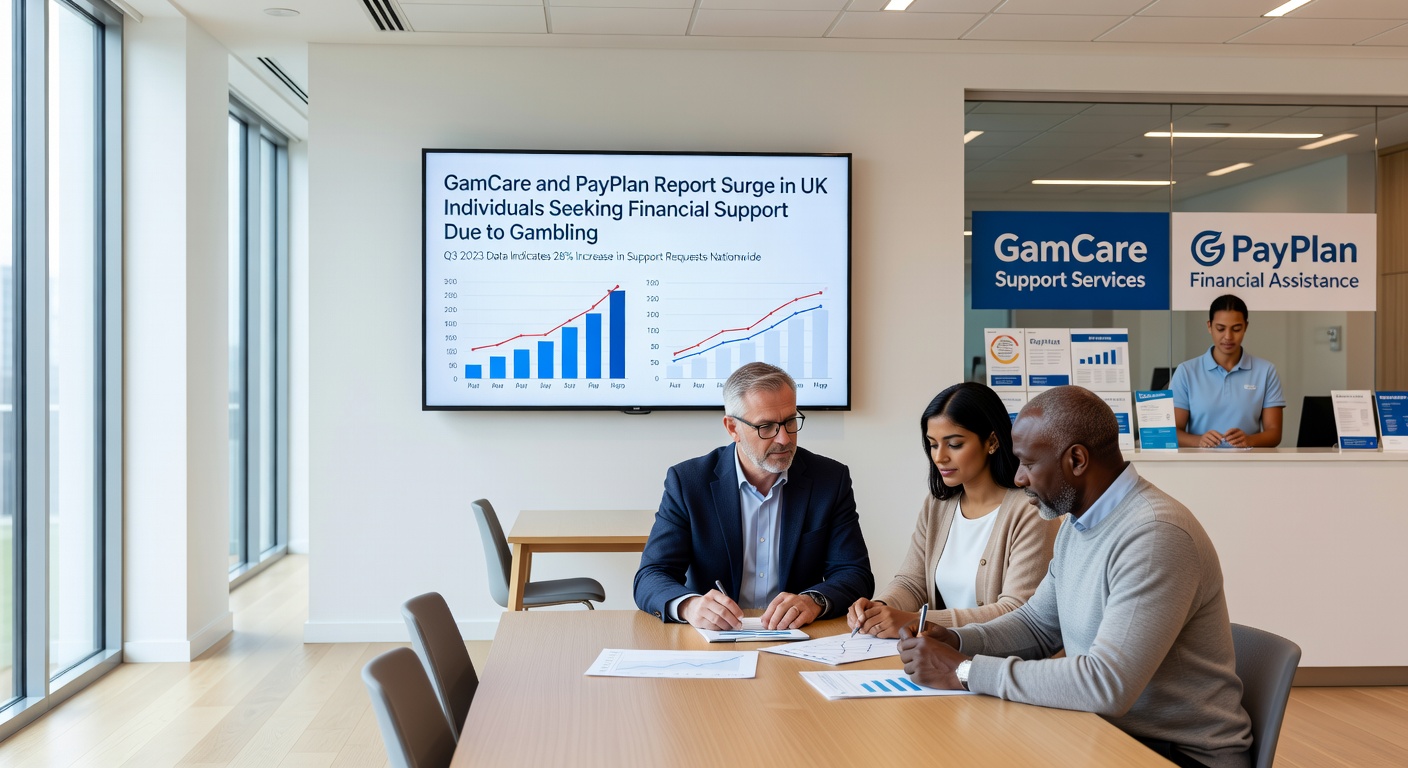
GamCare's treatment services directed 34% more people to debt charity PayPlan in 2025 compared to 2024, a clear marker of the growing overlap between gambling addiction and unmanageable debt. This partnership has become crucial, with PayPlan stepping in to negotiate with creditors and outline repayment plans for those buried under £7.2 million in collective gambling debts. Figures reveal that without these referrals, many would face bankruptcy or home repossession, as the charity's interventions provide a lifeline amid the chaos.
And while the raw numbers tell a compelling story, the human element shines through in case summaries: individuals owing tens of thousands from prolonged betting sessions receive tailored advice, breaking the cycle before it worsens. PayPlan's involvement has scaled accordingly, handling a caseload that mirrors GamCare's upward trajectory into 2026.
Breaking Down the Debt Figures
Total reported debts reaching £7.2 million in 2025 alone paint a vivid picture of scale; broken down, this averages thousands per person seeking guidance, with some cases ballooning into six figures from unchecked online wagering. Observers note that sports betting and casino games dominate these reports, often fueled by easy app access and promotional lures. Yet, the real kicker lies in the doubling of seekers—from under 1,000 in 2024 to nearly 2,000—showing acceleration rather than steady growth.
Now, as March 2026 data trickles in, preliminary tallies suggest the trend persists, with weekly contacts holding steady at elevated levels. Those monitoring closely, including charity staff, emphasize how early intervention through these services prevents even larger totals down the line.
The Intersection of Gambling Harm and Financial Ruin
GamCare's warnings spotlight how gambling no longer operates in isolation but feeds directly into debt crises, with 2025's metrics serving as a wake-up call for policymakers and the industry alike. Referrals tripling in January 2026 underscore urgency, especially since economic headwinds like inflation show little mercy. People who've navigated these waters often share stories of borrowing from family or maxing credit cards to fund bets, a pattern data confirms across the board.
Turns out, the 34% referral boost to PayPlan isn't just a statistic; it represents coordinated efforts yielding real outcomes, like debt restructurings that let individuals rebuild. Experts point to this collaboration as a model, scalable yet strained by sheer volume. And with living costs projected to remain high, the charity anticipates sustained pressure, prompting expanded outreach in coming months.
Patterns and Precedents in the Data
Looking closer, GamCare's figures align with broader trends where financial distress amplifies gambling risks; for instance, the near-tripling of January referrals follows a 2025 pattern of quarterly gains, each building on the last. This isn't rocket science—economic squeezes push boundaries, and accessible gambling fills the gap, leading to £7.2 million in documented fallout. Researchers dissecting the stats find that younger adults, facing student loans alongside living expenses, feature prominently among the 2,000 seekers.
So, while charities like GamCare and PayPlan absorb the brunt, their data offers a roadmap: early financial guidance alongside treatment curbs escalation. Cases where interventions happened swiftly show debt stabilization rates climbing, a silver lining amid the surge.
Conclusion
The sharp rise in gambling-related financial woes—nearly 2,000 guidance seekers, £7.2 million in debts, record January 2026 referrals—signals a crisis deepening under economic strain, as GamCare's 2025 data and ongoing 2026 trends confirm. With 34% more PayPlan referrals and no slowdown in sight through March, the intersection of harm and debt demands attention; charities continue bridging gaps, offering hope that coordinated support can stem the tide before totals climb further. Those tracking the landscape know the ball's in everyone's court now, from individuals recognizing signs early to broader efforts addressing root causes.