Casino Floor Dynamics: Movement Data and Betting Sequence Analysis in Physical Gaming Spaces
Carlo Werner · Jul 30, 2026
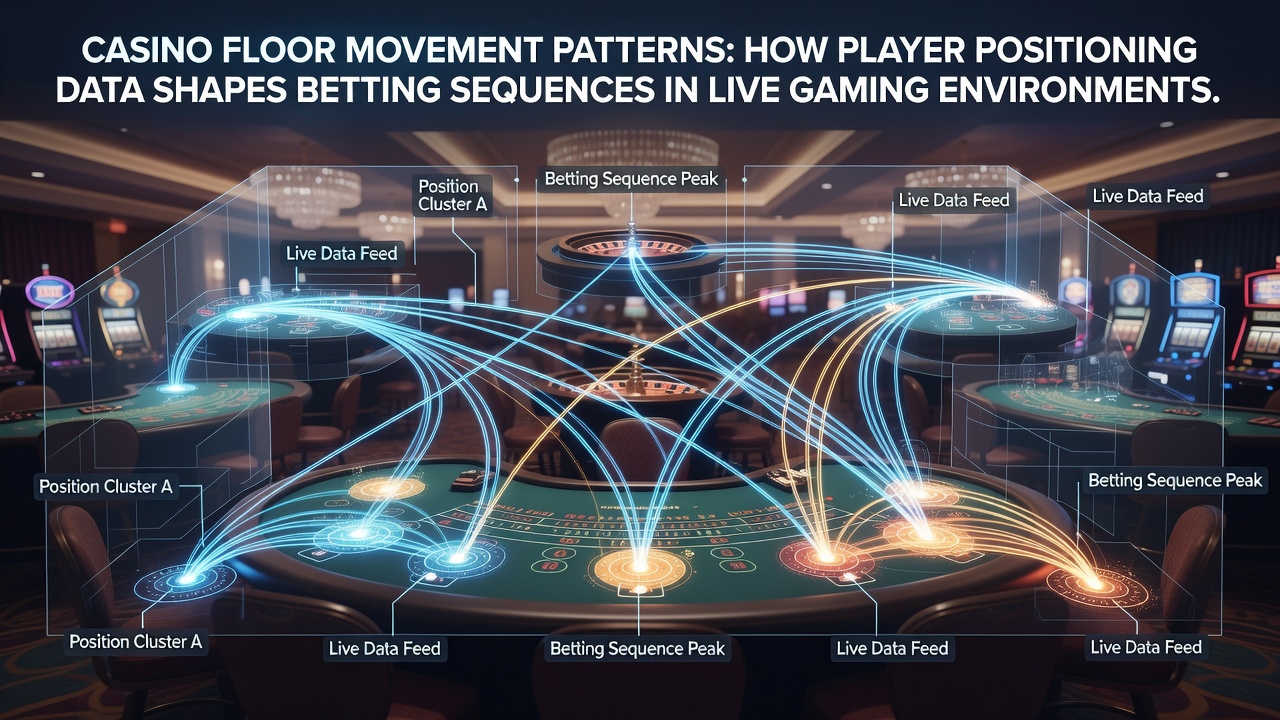
Casino Floor Dynamics: Movement Data and Betting Sequence Analysis in Physical Gaming Spaces
Data from casino floor sensors reveals how player positioning influences betting sequences in real time, and researchers have documented these patterns across multiple venues since the early 2020s. Movement tracking systems capture foot traffic, dwell times at tables, and transitions between gaming areas while operators analyze how these elements correlate with wager sizes and game selections.
Positioning data integrates with chip RFID tags and overhead cameras to build detailed profiles of individual sessions. In July 2026 updates from regulatory filings showed expanded use of such systems in major markets, where operators reported tighter integration between movement logs and betting records to refine table minimum adjustments.
Core Technologies Behind Positioning Tracking
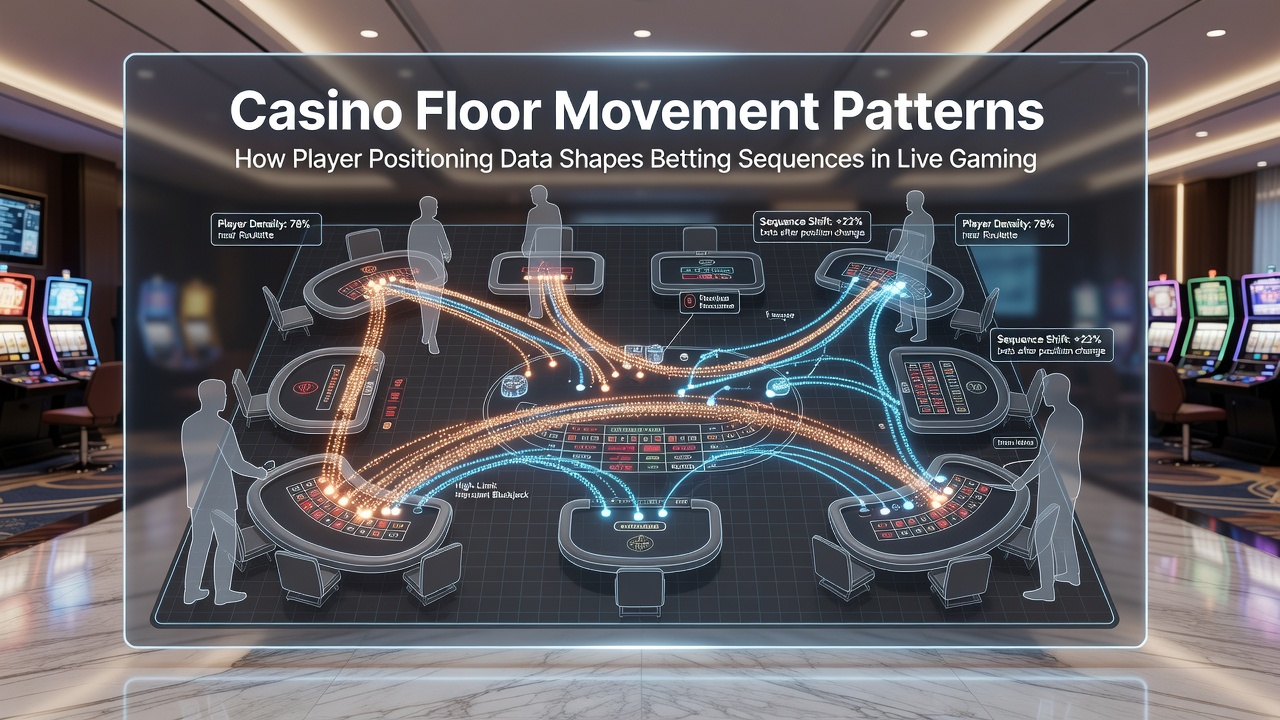
Sensors embedded in floors and ceilings collect coordinates at intervals as short as every few seconds, creating heat maps that highlight high-traffic zones near blackjack pits or slot banks. These maps feed into algorithms that identify clusters of players who linger near certain table limits before placing larger bets, and analysts cross-reference this information with transaction timestamps to detect sequence shifts.
Studies from institutions like the University of Nevada, Las Vegas have examined how dwell time near a roulette wheel often precedes a series of outside bets rather than straight-up wagers. The same research tracks how players who move quickly between tables tend to favor shorter betting cycles with smaller average stakes.
Observed Patterns in Live Betting Sequences
Observers note that players who approach a table from the left side of the pit frequently start with conservative bets before increasing exposure, while those entering from the right often open with higher wagers. Data sets compiled across multiple properties indicate these directional tendencies hold across thousands of sessions when controlling for game type and time of day.
Positioning information also shows how group movements affect individual sequences. When clusters of players shift toward a craps table together, subsequent bet spreads tend to widen within the first five rolls, according to aggregated floor reports. Isolated players who arrive alone display more stable sequences that change only after extended observation periods.
Integration With Regulatory and Operational Frameworks
Regulatory bodies such as the Nevada Gaming Control Board require operators to maintain audit trails that link movement data with financial transactions for compliance verification. Similar requirements appear in frameworks from the Australian Communications and Media Authority, where venue reports must demonstrate how positioning systems support responsible gaming interventions.
Industry associations including the American Gaming Association have published guidelines on data retention periods and anonymization standards for these tracking systems. These documents emphasize that sequence analysis supports both security and marketing functions without altering game outcomes.
Case Examples From Operational Environments
One multi-property operator in the southwestern United States documented a correlation between players who pause near high-limit signage and subsequent table changes to elevated minimums. The records showed these transitions occurred within an average of twelve minutes after the pause, prompting adjustments in floor staffing models.
Another dataset from European properties revealed that players exiting slot areas and entering table games displayed shorter initial betting runs compared with those moving directly from one table section to another. These findings prompted refinements in how pit bosses allocate space during peak evening hours.
Future Developments in Data Application
Advances in sensor resolution and machine learning models continue to refine the granularity of sequence predictions. Reports from research consortia indicate ongoing trials that combine positioning data with wearable device signals to map micro-movements around betting circles, though privacy protocols remain under review by multiple oversight agencies.
Operators continue to test how real-time alerts based on movement patterns can prompt dynamic table game offerings while maintaining compliance with regional standards.
Conclusion
Positioning data provides measurable connections between physical movement and betting sequences across live casino environments. Continued refinement of these systems supports operational decisions while adhering to established regulatory requirements from diverse jurisdictions.